


Safer SNAP cards coming to Michigan in January
CapCon investigation sparked reform to program that feeds 1.4 million



Michigan will issue food assistance cards with a higher level of security starting Jan. 1, 2026, following Michigan Capitol Confidential reporting that revealed $14 million in fraud in the state’s Supplemental Nutrition Assistance Program during the 2024 fiscal year.
The Michigan Department of Health and Human Services will spend $16 million to issue SNAP cards with a higher level of security beginning with the new year, David Knezek, the state health department’s chief operating officer wrote in a Dec. 17 memo to staffers, which CapCon obtained through an open records request.
SNAP fraud in Michigan jumped by nearly 400% from 2023 to 2024, CapCon exclusively reported. The state mailed more than 269,000 replacement Bridge Cards in 2024. One reason it did so is that criminals copy card data by using skimmers and then sell it on the dark web. In 2023, three Detroiters were charged with stealing $4 million by using data stolen from California to produce bogus SNAP cards.
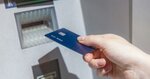
Michigan’s 2026 budget orders the Michigan Department of Health and Human Services to spend $16 million upgrading these cards via a project named “Mi Chip-Enabled Bridge Card.” The change aims to replace existing magnetic-stripe Bridge cards with chip-enabled cards, which is the global standard for secure payment transactions.
Michigan isn’t listed on the U.S. Department of Agriculture’s map of states upgrading food assistance cards. That’s likely because the state approved the upgrade during the federal government shutdown. U.S. Secretary of Agriculture Brooke Rollins has said that she plans to reform the program, a departmental spokesperson told CapCon in an email.
“SNAP is a vital nutrition safety net for low-income Americans,” the statement said. “When benefits are stolen, SNAP participants’ ability to feed their families is threatened,” the statement read.
“The USDA is strengthening protections for SNAP benefits through the implementation of SNAP EBT chip cards, mobile payment pilots, grants for state agencies that support fraud detection and prevention, updated regulatory standards, EBT card locking, encouraging states to block of out-of-state and online SNAP transactions by default, blocking (disabling) illegal retail point-of-sale devices, and replacing retailer authorization numbers that were identified as compromised.”
MDHHS Notificiation - Chipped EBT Cards by mcclallen
Michigan is using Fidelity Information Services during its the transition.
Michigan’s health department is working with officials in California, the first state to enact chipped SNAP cards. It is also working with two offices within the U.S. Department of Agriculture: the SNAP EBT Modernization Technical Assistance Center and a Food and Nutrition Services team.
“This (switch to chip-enabled cards) will increase overall card security and aid in reduction of the number of stolen benefits,” said the health department document.
The state health department must gain approval from the Food and Nutrition Services office for its plan to switch its card technology and finalize its outreach to the more than 9,700 participating retailers in Michigan.
Three spokespeople at the state health department haven’t responded to a request for comment.
Haywood Talcove, the CEO of Government Solutions at LexisNexis Risk Solutions, welcomed the security upgrade. Banks and unemployment agencies use his services to help prevent fraud.
“Moving to chip-enabled SNAP cards is a necessary step, since magnetic-stripe cards are highly vulnerable to cloning and organized theft,” Talcove told Capcon in an email. “But cards alone won’t stop fraud — the data self-reported by beneficiaries must be verified against trusted third-party sources. What we’re seeing in Massachusetts should be a warning of what’s coming if states don’t pair technology upgrades with strong identity and data verification.” On Dec. 17, the U.S. Department of Justice unveiled charges against two men it alleged had committed nearly $7 million in food stamp fraud.
In 2023, Michigan residents redeemed more than $3.6 million in SNAP benefits from vendors in the state.
CapCon has covered SNAP fraud in more than 20 stories, a series that inspired reforms to a program that feeds 1.4 million Michiganders monthly.
Michigan Capitol Confidential is the news source produced by the Mackinac Center for Public Policy. Michigan Capitol Confidential reports with a free-market news perspective.
 Whitmer says SNAP abuse rare; CapCon investigation says otherwise
 Food stamp fraud is ‘devastating’ Michiganders, document says
 State records reveal little SNAP enforcement despite exploding fraud