


Bill aims to cage Michigan's growing surveillance flock
Senate legislation would require warrants before police access Flock camera data


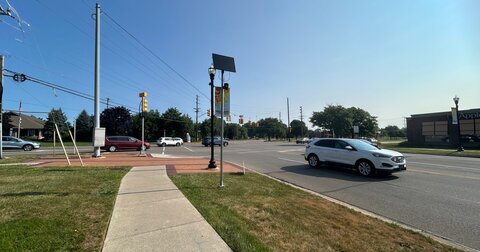
A bill introduced to the Michigan Legislature aims to ensure that local governments aren’t abusing data obtained by Flock cameras.
Sen. Jim Runestad, R-White Lake Township, introduced Senate Bill 1131 in late July. The bill would more closely regulate how governments use data collected by networks of automatic license plate readers.
“Passively collecting information 24/7 as people go about their daily lives is a drastic overreach and goes well beyond public safety needs,” Runestad said in a news release. “This legislation acknowledges that certain emergency situations can be greatly assisted by this technology, but sensible safeguards need to be put in place.”
The bill comes amid a national uproar over potential misuse of the vast surveillance networks being created by license readers from Atlanta-based Flock Safety and other providers.
Michigan has more than 3,400 Flock cameras that capture license plate data of vehicles on public roads, according to the open-source project DeFlock.
At best, local governments use those cameras to stop crimes that involve a vehicle. But police in Georgia, North Carolina, Wisconsin, and elsewhere have been caught allegedly using those cameras to stalk law-abiding citizens.
 Scott McClallen
Runestad’s bill, if passed by both chambers and signed into law, would require a warrant before the government can access automatic license plate reader databases unless an active criminal investigation, missing person case or stolen vehicle investigation is taking place.
The legislation would also require license plate information to be automatically deleted after 14 days if it is not being used for those purposes.
“My legislation will protect public data and public safety,” Runestad said. “We want to strike a balance between dystopian overreach and keeping our communities safer by providing law enforcement with additional tools to catch criminals.”
Automatic license plate readers are traditionally used to help law enforcement track down stolen vehicles, locate missing people or find wanted individuals.
Most Flock cameras in Michigan surveil motorists in metro Detroit and Grand Rapids.
The city of Taylor has 77 automated license plate readers that detect a vehicle’s license plate number, body type, make, model and color. Those cameras have detected more than 700,000 unique vehicles in the last 30 days, according to the city’s Flock transparency page. The city says those cameras helped police arrest four men allegedly involved in a child predator sting.
But to catch those alleged criminals, the government surveilled law-abiding citizens, raising concerns about the Fourth Amendment to the U.S. Constitution, which bars unreasonable search and seizure.
There are 26 Flock cameras in the city of Westland, according to a document Michigan Capitol Confidential obtained through a records request. Westland officials decided in July not to renew the city’s contract for those cameras.
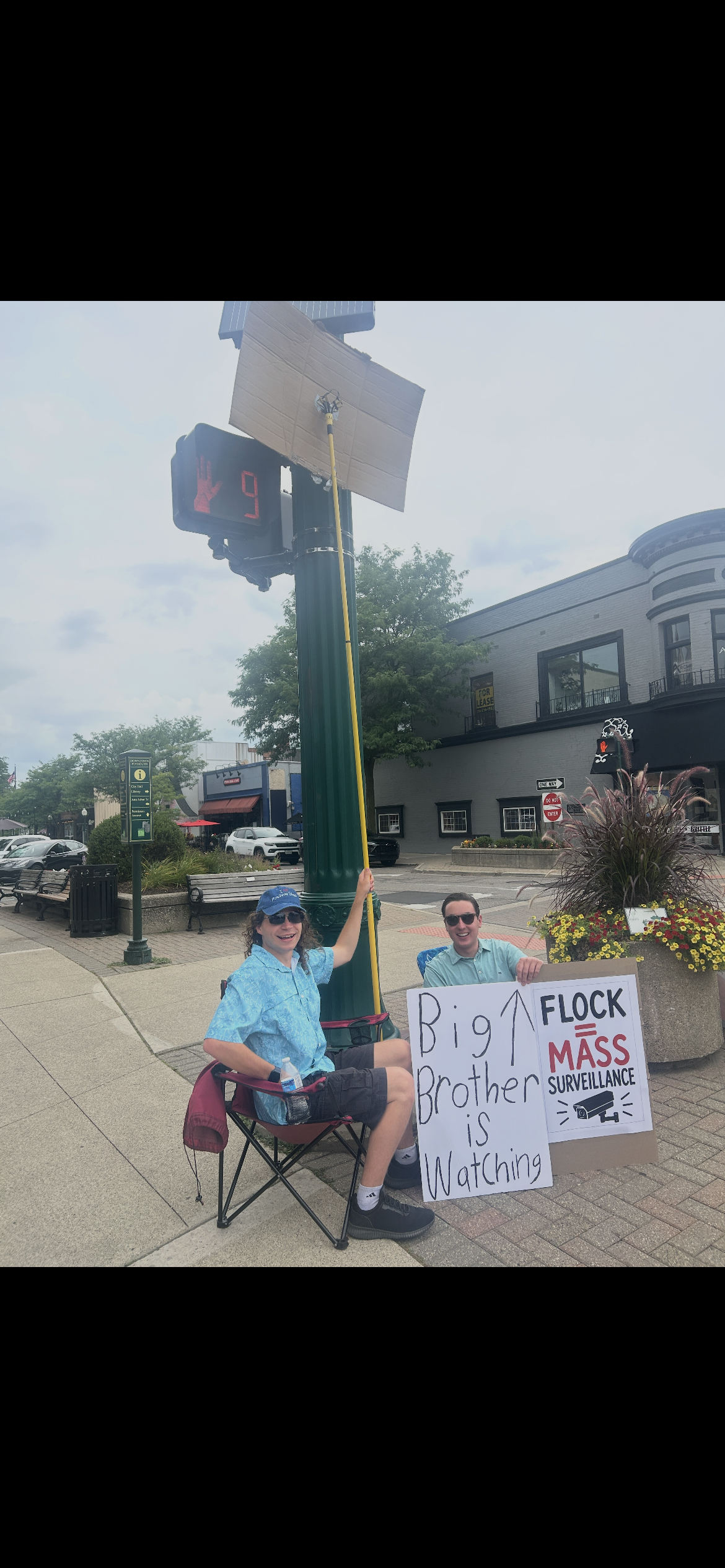
“We don’t want people to feel like Big Brother is always watching,” Runestad said. “Technology can benefit the social good without threatening freedom. That’s why sensible guardrails need to be put in place to protect people’s privacy.”
Michigan Capitol Confidential is the news source produced by the Mackinac Center for Public Policy. Michigan Capitol Confidential reports with a free-market news perspective.
 Kettering student sues Genesee County over secret Flock camera records
 House votes for parental access to medical records of minor children
 What’s in your recycling bin?