


Enhanced SNAP cards pay for meals at KFC, Taco Bell, McDonald’s
Under Restaurant Meals Program, taxpayers buy fast-food meals for Michigan’s most vulnerable residents



Michigan’s most vulnerable residents are buying fast-food meals, subsidized by taxpayers.
The Restaurant Meals Program, a federal program that the state of Michigan participates in, allows eligible elderly (age 60 and over), disabled, or homeless people to purchase prepared meals. The spouses of those eligible for the program can also participate.
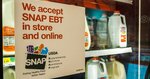
Under the program, people who receive Supplemental Nutrition Assistance Program (SNAP) benefits, previously known as food stamps, can use a Bridge Card at participating vendors, including fast-food restaurants.
Nine states in the U.S., all with Democratic governors, participate in the program: Arizona, Maryland, Michigan, New York, California, Massachusetts, Rhode Island, Illinois and Virginia.
States and restaurants that wish to use the meals program face onerous administrative constraints, according to a March 2026 article in the Journal of Agriculture, Food Systems and Community Development.
State programs tend to be dominated by fast-food restaurants, researchers from Johns Hopkins University and Colorado State University concluded. Those businesses, they observed, are more likely than independent restaurants to have the financial and administrative capacity to deal with the program’s requirements.
Michigan’s SNAP restaurant sales from June 2023 to May 2025 totaled about $1.3 million, according to Joni Ernst, a Republican from Iowa who serves on the U.S. Senate Agriculture Committee.
In Bay City, three Subway stores, a KFC and a Taco Bell are enrolled in the program. In Traverse City, the only restaurants eligible are Subways. Restaurant participation in Jackson is limited to five Subways and six McDonald’s.
Not every participating business is part of a national chain, however. The family-owned Holy Cow! Creamery is one example.
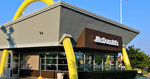
Though the Restaurant Meals Program allows residents to use their SNAP benefits at places like McDonald’s, KFC, Taco Bell and Popeyes, various governments and politicians have called for more nutritious diets.
“I encourage all citizens to be proactive about their nutrition and mindful of the nutrition of others in the hope of achieving a healthier Michigan,” Gov. Gretchen Whitmer said in a declaration designating March 2026 Nutrition Month in the state.
The Michigan House’s proposed 2026-27 school aid budget initially banned school districts from providing or selling pop or candy to students. That provision was stripped from the final bill.
In 2025, Michigan Senate Bill 227 and a companion bill, House Bill 4305, would have directed the state to request a waiver from the U.S. Department of Agriculture to let Michigan officials prohibit the use of SNAP benefits to purchase soft drinks. Neither bill made it out of committee. But 22 states have obtained a similar waiver from federal officials.
Michigan Capitol Confidential is the news source produced by the Mackinac Center for Public Policy. Michigan Capitol Confidential reports with a free-market news perspective.
 Michigan’s SNAP administration costs to jump $94 million as feds shift burden to states
 Michigan supersizes fast food SNAP program