


Michigan clawing back $2.7B from 350,000 people
Five years later, Michigan wants billions back



During the COVID pandemic, Michigan’s unemployment insurance agency disbursed billions of dollars to people after Gov. Gretchen Whitmer shuttered many businesses.
Five years later, the Michigan Unemployment Insurance Agency is trying to claw back $2.7 billion from 350,000 people.
The agency paid about $11 billion in fraudulent claims from the start of COVID through 2022, the Center Square previously reported. Unemployment payments are funded through taxes taken from the paychecks of Michigan employers. Workers qualify for benefits, representing a portion of their pay, if they were laid off, had worked long enough and agree to search and interview for jobs.
Due to a court ruling in a 2022 lawsuit, the unemployment insurance agency hasn’t been able to recoup overpayments. But that lawsuit has concluded, and the agency has restarted collecting alleged overpayments, director Jason Palmer wrote in an op-ed for The Detroit News.
“Not requesting repayment since 2022 has confused claimants, delayed employer credits, jeopardized our federal funding, and impacted the stability of the UI Trust Fund, the pool of money that ensures benefits are there for the next worker in need,” Palmer said.
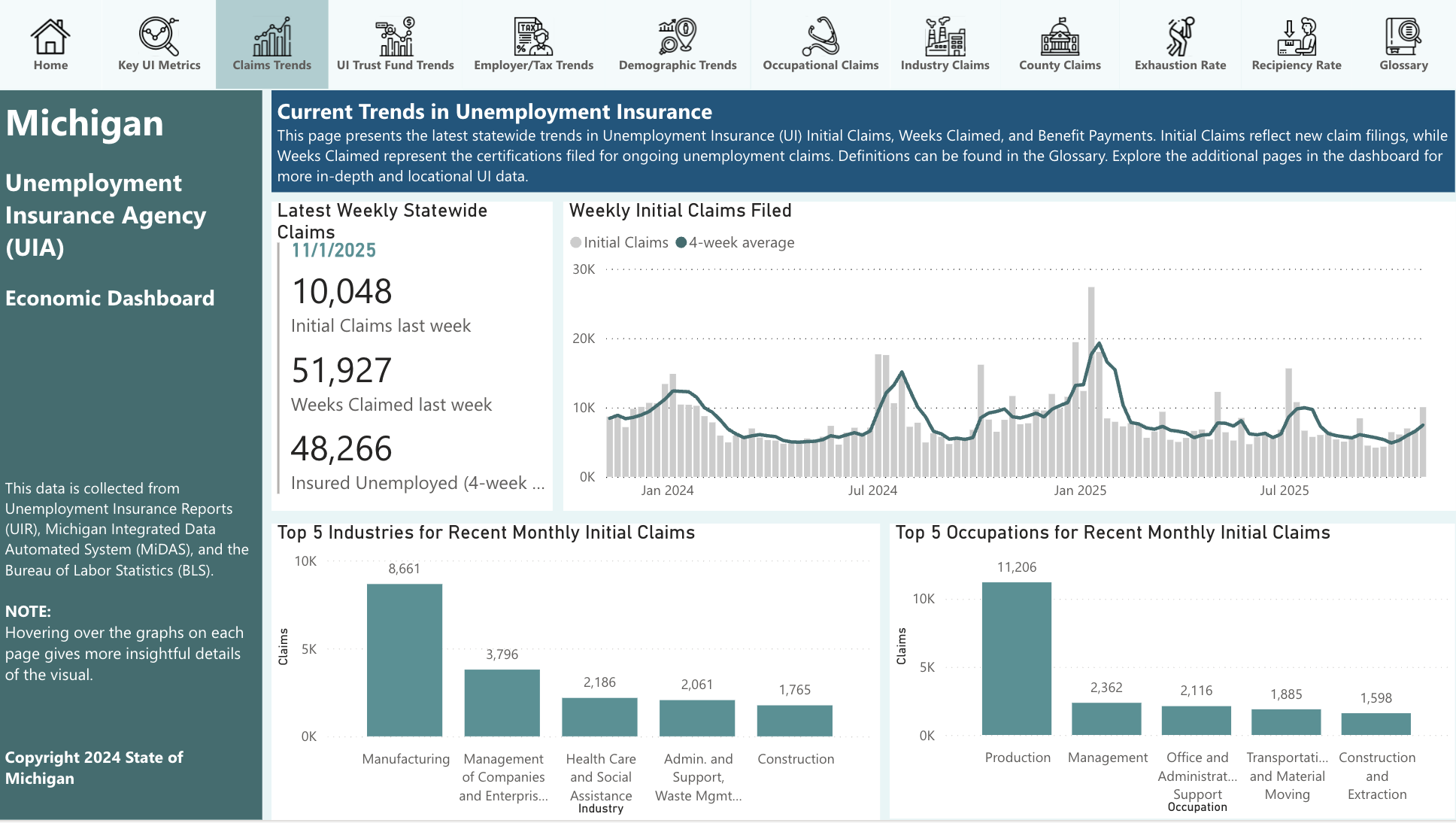
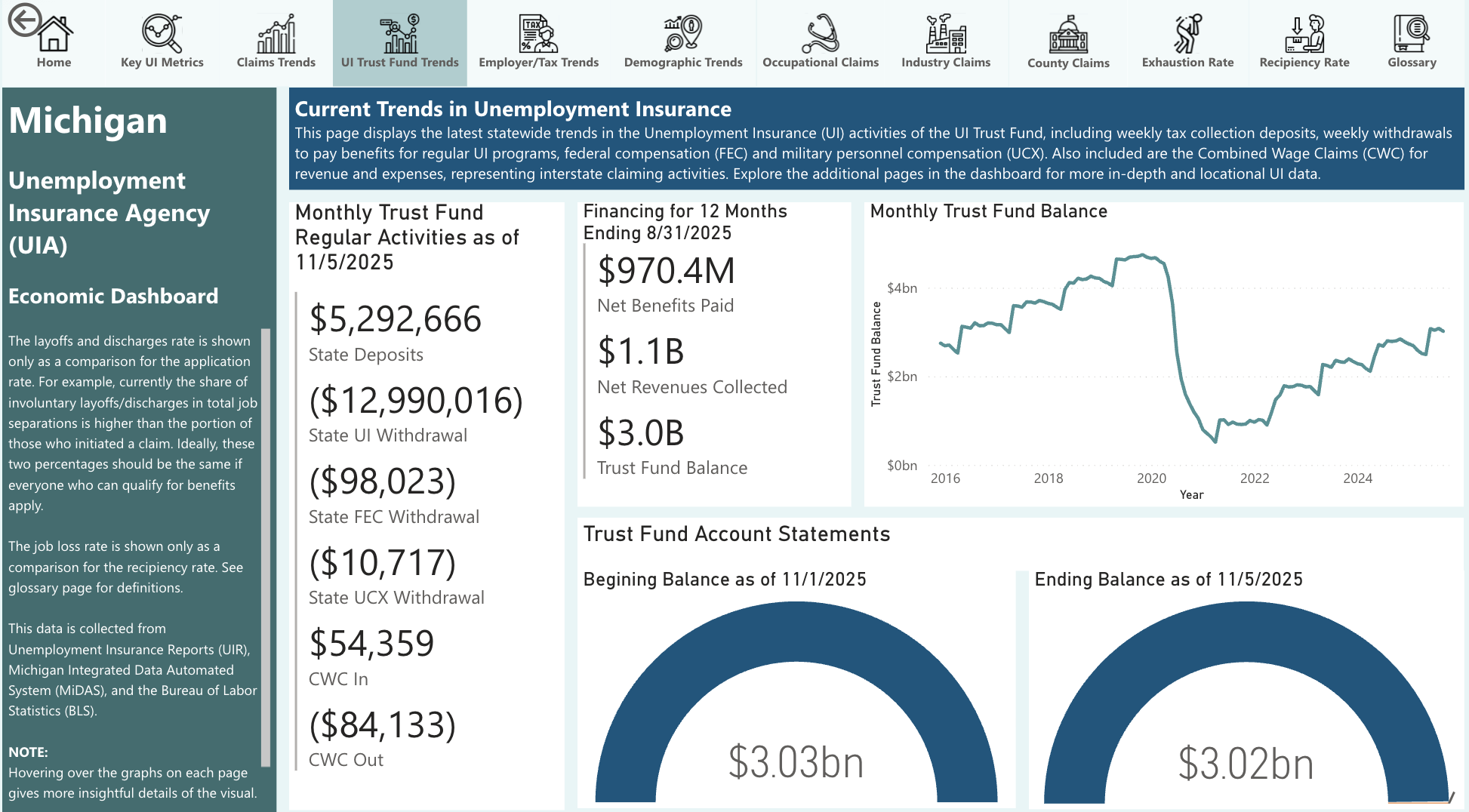 Screenshot of Michigan Unemployment Insurance Agency
The agency claims that one Michigander owes them over $15,000, according to letter mailed on September 16.
The agency waived many overpayments, which came from an often-confusing mix of state and federal pandemic-era unemployment programs. The overpayments that remain today are mainly those involving claimants who:
-
Did not provide the requested or required proof of employment or income
-
Started a job or returned to work but continued to certify for benefits as if they were unemployed
-
Did not report earnings as required when certifying for benefits
-
Did not satisfy the required work search activities.
“In these situations, we have a legal and fiduciary duty to recover the funds,” Palmer wrote. “The unemployment trust fund is taxpayer money, and we must be responsible stewards of it.”
Claimants can apply for a financial hardship waiver if repayment would cause undue burden, Palmer added. They also may request a waiver if they believe their overpayment was caused by an agency error or an error in their reported earnings.
Michigan Capitol Confidential is the news source produced by the Mackinac Center for Public Policy. Michigan Capitol Confidential reports with a free-market news perspective.
 Employment decline leaves Michigan near the bottom nationwide
 Michigan Legislature approves bill to extend, boost unemployment benefits
 Michigan’s employment numbers continue to head in the wrong direction
Jobs agency ghost-writes its own public relations