


Michigan’s fraud fight evolves as criminals target SNAP with stolen identities
Upgraded cards help, but more action is required


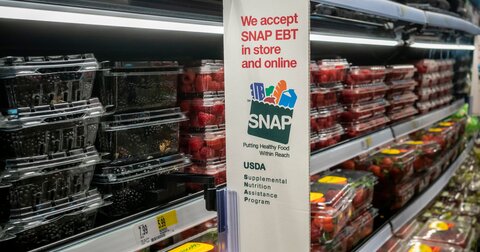
Michigan is chasing criminals who steal from the Supplemental Nutrition Assistance Program that feeds about 1.4 million people. While the state upgrades its security in one area, thieves pivot to stealing in other ways.
This year, the Michigan Department of Health and Human Services is upgrading cards from those that use magnetic stripes to those with chips, as a way to fight criminals who install card skimmers in public places. Those skimmers steal card data and deplete funds. But that’s not the only way criminals take from taxpayers. They are now using stolen identities. An April 6 report from ClickonDetroit, for example, said a Detroit couple stole $1.1 million from SNAP over nine years by applying for benefits in other people’s names.
In 2025, the state reported $7.7 million of SNAP fraud, down from $14 million in 2024.
This year, Michigan will spend $16 million to upgrade SNAP cards, making it the first state in the Midwest to do so. Cardholders should receive an upgraded SNAP card by August 2026, according to the timeline Michigan Capitol Confidential obtained through a records request. The change follows a nearly 400% increase in skimmer fraud from 2023-24.
But upgrading the cards won’t stop criminals from using stolen identities to steal benefits, Haywood Talcove of LexisNexis Risk Solutions, a company that banks and unemployment agencies use to help prevent fraud, told Michigan Capitol Confidential in an email.
“While chip-enabled SNAP cards are a step forward, skimming is only part of today’s threat,” Talcove wrote. “Organized criminal networks are now using stolen identities, cloned cards and (point-of-sale) devices, and complicit retailers to traffic benefits at scale. With AI accelerating these tactics, stopping fraud will require stronger identity verification, real-time analytics, and aggressive enforcement against bad actors to ensure benefits reach the families who truly need them.”
The Michigan Department of Health and Human Services denied a records request from CapCon that sought SNAP applications, as it sought to discover how the Detroit couple stole $1.1 million. The department said that fulfilling the request would ”interfere with ongoing law enforcement proceedings and disclose law enforcement investigative techniques or procedures.”
The pair reportedly stole identities from residents of Arizona, California, Colorado, Missouri and New Jersey.
Identity theft is one of several ways SNAP fraud occurs:
1. SNAP recipients can lie about their income or the number of people living in their home.
2. SNAP recipients can sell their card online or in person for cash. An example is below.
 Scott McClallen
3. SNAP recipients can trade their benefits to retailers for ineligible items such as alcohol, tobacco or lottery tickets.
4. Criminals can install fake credit card readers that capture swiped card data; they then either spend benefits or sell the data on the dark web. Retailers across the country accept Michigan’s Bridge cards.
5. Criminals steal the identities of others and then use that information to steal from taxpayers.
Many Michiganders lose, sell, or have their card compromised by a criminal and request a new card from the state.
In 2024, Michigan mailed roughly 738 replacement Bridge Cards every day, for a total of 269,644 cards, according to a document obtained through a records request.
In 2025, Michigan mailed 286,143, or 784 replacement cards every day. The total for the year was 16,499 more than it was the year before.
Gov. Gretchen Whitmer’s proposed budget for next year suggests spending millions of dollars to improve Michigan’s payment error rate, an estimate of unintended recipient errors and state agency errors.
New federal requirements will push more SNAP costs onto the state government, starting on Oct. 1, 2027. States with an error rate of 6% or less will not have to pay extra, however. But Michigan’s error rate is roughly 9.5%, so the state will need to pay an extra $320 million annually unless it brings that rate down. State officials say they have spent $30 million to reduce the error rate, but they have not completed a records request from CapCon about how they spent that money.
Nearly 10,000 retailers in Michigan accept SNAP cards for payment.
The Michigan Department of Human Services didn’t respond to a request for comment by publication.
Michigan Capitol Confidential is the news source produced by the Mackinac Center for Public Policy. Michigan Capitol Confidential reports with a free-market news perspective.
 Michigan’s SNAP administration costs to jump $94 million as feds shift burden to states
 Michigan’s Bridge card system was hacked, police say
 Food stamp fraud is ‘devastating’ Michiganders, document says