

Out-of-State dark money bankrolls Michigan ‘Money Out of Politics’ ballot push
With voter approval, proposal could chill free speech of Michigan nonprofits


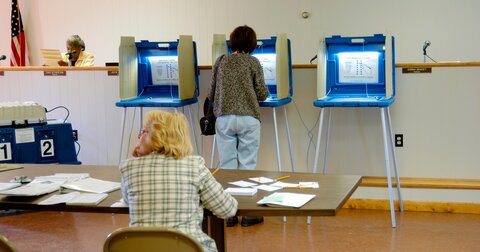
The Mop Up Michigan ballot proposal is being fueled with millions of dollars from out-of-state interest groups seeking to restrict the political spending of utilities. While the proposal’s national backers depict Proposal 2 as an attempt to get money out of politics, they are using the same kind of financial influence in the state to push an initiative that would restrict free speech for nonprofits and other groups in Michigan.
Michiganders for Money Out of Politics Ballot Committee is the group behind a ballot proposal that it says would limit the political influence of utility companies.
But Proposal 2’s vague language would also restrict free speech for everyone and expand reporting requirements for communications 100 days before a general election, according to an issue brief published by the Mackinac Center for Public Policy on Oct. 7.
“Allowing regulated utilities and corporations with state contracts to spend in politics is an inherent conflict of interest,” states the MMOP website pushing the ballot proposal.
All Hands on Deck Network, an out-of-state progressive organization located in Northampton, Massachusetts, has spent $5.4 million funding the proposal initiative as of July. The organization does not have a stand-alone website or a social media presence. It is promoting the ballot initiative through a website, the Movement Voter Project, which gives the following legal disclaimer:
“You can find Movement Voter Project’s registration and legal filings under its official corporate name, All Hands On Deck Network, a predecessor organization founded in 2012.”
The website claims: “If (when) we win the Senate race and secure a Democratic state trifecta, we’ll be giving a generous hat tip to MMOP. Bonus: We’ll also get money out of politics!”
The dark money group says on its website that Michiganders for Money Out of Politics, the committee behind the ballot proposal, was formed by “several MVP grantee partners” who are “having a major influence on Michigan’s elections this year.”
All Hands on Deck states on its 990 form that it achieves its goals through grassroots activism and lobbying but it then floods Michigan with millions of dollars to sway voter opinion. The organization reported on its 2023 990 form that it had generated $48 million in revenue over the course of two years. Six of its board members reported total income ranging from $162,975 to more than $252,076 annually.
But the movement is not organic and is backed by wealthy progressive groups, according to Philanthropy. Philanthropy reports that the Tides Foundation, an organization that channels money to leftist activist causes, has given $14.9 million to the group since 2020. Sixteen Thirty Fund and other progressive groups are also funneling money into All Hands on Deck.
All Hands on Deck did not respond to a request for comment emailed through its Movement Voter Project website.
“Mop Up Michigan’s approach won’t eliminate money in politics—it will simply shift influence away from Michigan companies and toward wealthy national donors and special interests, similar to the dark money funders of their ballot proposal,” said Katie Carey, spokesperson for Consumers Energy, in an email to Michigan Capitol Confidential.
She added that out-of-state shell companies, independent expenditure groups and Super PACs would be granted disproportionate influence “and we’ve already seen it first-hand with MMOP raising $7.4 million (and counting) to finance their ballot bullying.”
Supporters also describe Proposal 2 in ways that are contradicted by the initiative’s own language.
“Unions and individual union members will not be impacted by the policy changes in the petition,” states the Mop Up Michigan website. “We have been working closely with Labor to make sure they understand that they will not be impacted.”
But the Mackinac Center says many organizations that advocate for policy positions will be impacted.
The proposal would create a new term called “electioneering communication” that is “targeted to the relevant electorate.” But the Mackinac Center’s issue brief notes that “targeted to the relevant electorate” is not defined in the proposal and the meaning of the phrase would be determined by the Secretary of State.
“Electioneering communications' reporting requirements apply to any person,” said Michael Van Beek, director of research at the Mackinac Center for Public Policy and author of the issue brief.
The brief states that if passed the proposal would:
-
Subject anyone who posts, publishes or promotes public content that references a candidate within 100 days of an election to new reporting requirements.
-
Require a disclaimer be shown on content that references a candidate within 100 days of an election.
-
Expand the definition of campaign expenditure so that more communications and messages become subject to the law.
-
Restrict certain campaign contributions made by some people affiliated with some public utility companies and government contractors.
Michiganders for Money Out of Politics did not respond to a request for comment.
Michigan Capitol Confidential is the news source produced by the Mackinac Center for Public Policy. Michigan Capitol Confidential reports with a free-market news perspective.
 Ballot proposal would restrict free speech, opponents say
 Dearborn voters to decide fate of $1.5B bond proposal Nov. 3
 Michigan Senate bill targets paid political posts on social media