

Michigan refuses to share food stamp data with feds — and it could cost taxpayers $300 million
USDA slams Michigan for protecting 'criminals over taxpayers' in SNAP dispute


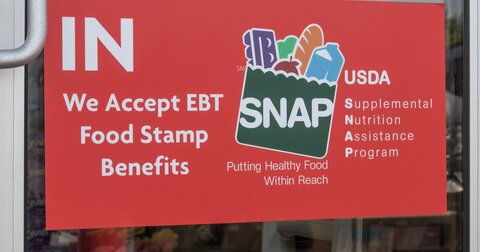
If the state of Michigan shared data from the Supplemental Nutrition Assistance Program with the federal government, it could save state taxpayers around $300 million come fiscal year 2028.
But it won’t share data or explain why.
Twenty-eight states and the territory of Guam are sharing SNAP data with the U.S. Department of Agriculture, and the federal agency says it has already found about $3 billion worth of fraud and abuse across the states that submitted data.
The Department of Agriculture’s SNAP integrity team analyzes data provided by states and scrubs all available information to end indiscriminate welfare fraud.
States Sharing or Not Sharing SNAP Data With USDA by mcclallen
Michigan’s problem is twofold: The state struggles to disburse benefits accurately, and criminals loot the program yearly. In 2025, the state reported $7.7 million of SNAP fraud, down from $14 million in 2024.
From 2023 to 2024, SNAP fraud in Michigan jumped by nearly 400%. The state's high payment error rate of 9.53% could cost taxpayers as much as $300 million starting in fiscal year 2028, but the state is not participating in the federal effort to fix those problems.
The Michigan Department of Health and Human Services did not respond to a request for comment.
The USDA slammed Michigan and 21 other states including California, New York, and Minnesota, for not sharing SNAP data.
“They choose to protect illegals, criminals, and bad actors over the American taxpayer,” a USDA spokesperson told Michigan Capitol Confidential in an email. “Under Secretary [Brooke] Rollins' leadership, USDA remains committed to ensuring USDA upholds its nutrition programs with the highest levels of integrity, while protecting both participants and the American taxpayer.”
The 29 states that have handed over their data are Alabama, Alaska, Arkansas, Florida, Georgia, Idaho, Indiana, Iowa, Kansas, Louisiana, Mississippi, Missouri, Montana, Nebraska, Nevada, New Hampshire, North Carolina, North Dakota, Ohio, Oklahoma, South Carolina, South Dakota, Tennessee, Texas, Utah, Vermont, Virginia, West Virginia, and Wyoming.
The SNAP program costs about $100 billion annually and serves roughly 41 million people nationwide.
CapCon has chronicled the saga of criminals stealing SNAP benefits from vulnerable residents over several years.
In 2023, three Detroiters allegedly stole $4 million in SNAP benefits, and this year, a Detroit couple were charged with stealing another $1.1 million in benefits.
About 1.4 million people in Michigan rely on SNAP. The names are confidential, but the ages aren’t.
Criminals stealing benefits have preyed on Michiganders of all ages, according to more than 500 pages of police reports of SNAP fraud that CapCon obtained. Of the state’s roughly 1.4 million people who rely on the SNAP program, about 481,170 are ages 21 and over, according to a document that Michigan Capitol Confidential obtained through a records request.
About 297,670 people ages 21-41 are on SNAP, while 237,834 are ages 42-61. The remaining 187,800 people range in age from 62 to older than 104.
About 15 people born before 1923 receive benefits.
MI Snap Recipient Ages by mcclallen
“By sharing data, Michigan can protect those most in need, get the criminals out, and save its hardworking taxpayers millions of dollars,” the Department of Agriculture said.
Michigan Capitol Confidential is the news source produced by the Mackinac Center for Public Policy. Michigan Capitol Confidential reports with a free-market news perspective.
 Alleged GPS trickery leads to Medicaid fraud charges
 Vance threatens Medicaid funding cuts as Michigan touts its anti-fraud record
 Michigan plans chip-enabled SNAP cards after millions lost to fraud