


Nessel blasts energy rate hike, backs policies that drive up costs
AG claims to have saved Michiganders $4.1B on electric bills


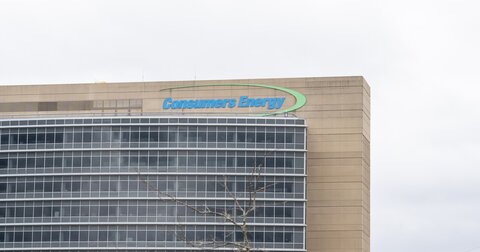
Though Attorney General Dana Nessel criticized utility regulators March 27 for approving a rate increase for Consumers Energy, she also supports clean energy mandates that some experts say increase the price of electricity.
Consumers, a regulated monopoly provider of electricity in some parts of the state, will be able to raise rates by 8.9%, thanks to a decision by the Michigan Public Service Commission.
Regulators approved the hike because they wanted to achieve a goal of 30% better performance by 2029, David Stevenson, director of energy and environmental policy at the Mackinac Center for Public Policy, told Michigan Capitol Confidential. Stevenson cited concerns such as improving line resilience and reliability, repair activities after storms, and upgrades to substations and transformers.
State regulators commissioned an outside consultant in 2024 to study Consumers Energy and DTE Energy, Michigan’s other large regional monopoly, out of concern for poor service.
A spokesperson for Consumers Energy told CapCon that the audit will guide the company’s plans to improve its long-term reliability plan. Those improvements should reduce outages and improve restoration times, said Trisha Bloembergen, West Michigan media relations specialist for the company.
Nessel criticized the rate increase, calling it part of a “never-ending cycle of rate hikes” that burdens customers. She called for more accountability to ensure affordability and reliability. Nessell also urged state regulators to scrutinize utility requests and protect residents from excessive costs.
Nessel claimed to have saved utility customers $4.1 billion during her time in office by intervening when utilities ask regulators for permission to raise rates.
We have seen this dance before in Michigan, Ted Bolema, senior fellow at the Mackinac Center for Public Policy, told CapCon in an email.
A utility proposes an increase, he wrote, the Attorney General steps in to call for a lower increase, and the rate hike gets pared back a little, he said. As a result, he said, the utility gets at least as much as it actually wanted.
Consumers Energy asked for a 13% increase, and it ended up with one of 8.9%.
“Attorney General Nessel wants to take credit for saving ratepayers the difference between 13% and 8.9%, or 4.1%,” Bolema said. Consumers customers were never going to see a 13% rate increase, he added.
“The end result is that we will pay 8.9% more, in a year where the U.S. Energy Information Agency predicted that nationally rates will increase by only 4%,” Bolema added.
Nessel supports a state law that requires utilities to get 100% of their energy from so-called clean sources by 2040. The mandate, signed into law by Gov. Gretchen Whitmer in 2023, requires utilities to make substantial investments in wind and solar projects.
Energy analysts say the mandates, of which Nessel supports, increase energy costs for ratepayers.
The attorney general began her lawsuit against oil and gas businesses in May 2024 by announcing a request for proposals from law firms. Her office sought the expertise to “pursue litigation related to the climate change impacts caused by the fossil fuel industry on behalf of the State of Michigan.”
Nessel’s predecessor, Bill Schuette, said in a Nov. 2024 commentary for Bridge Magazine that such efforts are counterproductive to the state economy and harm the job market.
The Michigan Chamber of Commerce agreed.
“This dangerous and inappropriate use of a state office to attack and demonize Michigan businesses would have a negative and chilling effect on the state’s entire economy,” it said, according to Crain’s Detroit Business in 2024.
Every business and household, the chamber said, relies on affordable and reliable energy.
State regulators say that the attorney general’s office is one of many organizations to speak out when utilities seek a rate increase.
“Rate cases are complex matters, and the Commission must examine dozens of distinct issues — as in this Consumers Energy case more than 100 — and weigh those matters as presented in thousands of pages of testimony and exhibits provided by MPSC's expert Staff, utilities and intervenors in each case,” Matt Helms, public information officer at the Michigan Public Service Commission, told CapCon in an email.
Consumers Energy’s most recent electric rate case included the Attorney General’s office and 23 other intervening organizations.
Intervenors frequently challenge costs proposed by utilities, according to Helms, and it is the commission’s job to determine which costs are approved. Regulators, he said, work to set rates that are just and reasonable, balancing the interests of ratepayers and utilities, consistent with the law and the record in each case.
Nessel did not respond to a request for comment.
Consumers Energy declined to comment.
Michigan Capitol Confidential is the news source produced by the Mackinac Center for Public Policy. Michigan Capitol Confidential reports with a free-market news perspective.
 State probes July power failures
 Consumers Energy makes 6th rate hike request in 6 years